Moving to Farmington Utah: What Newcomers Should Know
Moving to Farmington Utah: Your Complete Guide for Newcomers
If you're considering moving to Farmington Utah, here's what you need to know upfront: Farmington is a mid-sized Davis County community situated between Salt Lake City and Ogden, offering a mix of suburban convenience, strong schools, outdoor recreation, and relatively accessible home prices compared to Salt Lake County. This guide covers the neighborhood landscape, cost of living, commute realities, school options, and what to expect from the local real estate market — so you can make a well-informed decision before you move.
What Is Farmington Utah Like as a Place to Live?
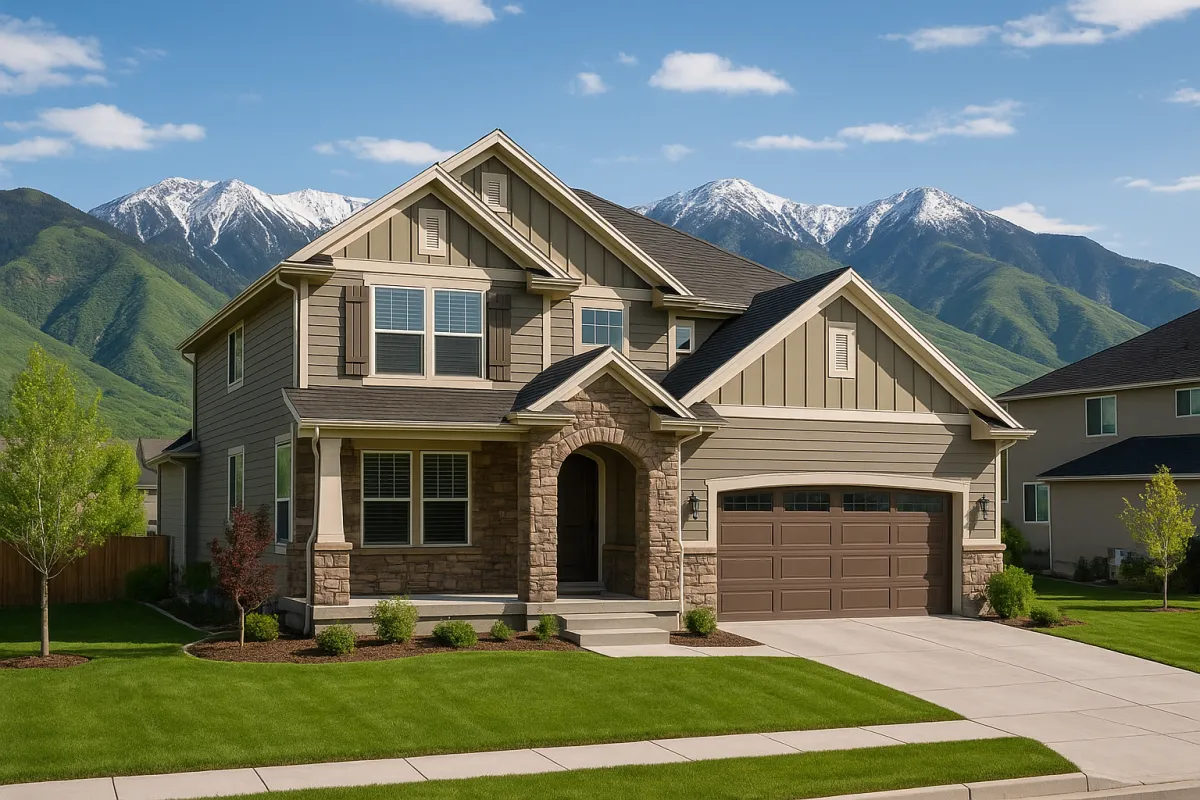
Farmington sits in the foothills along the eastern edge of Davis County, with the Wasatch Mountains rising to the east and the Great Salt Lake visible to the west. The community has a small-town feel with notable amenities. Station Park — a major outdoor retail and dining destination — anchors the city's commercial center and draws residents from throughout northern Utah. Beyond shopping, Farmington offers Lagoon Amusement Park, the Farmington Bay Waterfowl Management Area, and miles of hiking and biking trails in the surrounding foothills.
The population hovers around 23,000 to 25,000 residents, which keeps the city feel manageable without sacrificing services. Neighbors tend to be long-term residents, young families relocating from the Salt Lake metro, and professionals drawn by the commuter-friendly location on the Wasatch Front. If you're coming from a larger metro, you'll notice the pace is noticeably calmer — and most people who move here consider that a selling point.
How Does the Farmington Utah Real Estate Market Compare to Nearby Cities?
Farmington's housing market sits in an interesting position within Davis County. Median home prices generally range between $550,000 and $700,000 depending on the neighborhood, with newer construction in the western and central areas often pricing at the higher end. Comparable communities like Kaysville and Layton offer slightly more inventory in the mid-range price tier, while Bountiful — located further south toward Salt Lake — tends to see stronger appreciation due to proximity to the capital city.
According to data tracked through Zillow market data, Farmington has maintained consistent appreciation over the past several years, with demand remaining stable even as broader Utah markets adjusted post-pandemic. Inventory remains tight in the most desirable neighborhoods, particularly those with mountain views or direct trail access.
David Supinger, CNE, CLHMS, and Broker/Owner of HomeClick Real Estate, has spent more than 33 years working in Utah real estate and has completed over 1,300 home transactions. His read on Farmington: "It's a market where buyers need to come in prepared. Homes in the right price range and condition still move quickly. Being pre-approved and having your offer strategy ready before you start touring is not optional here — it's the baseline."
If you're ready to start your search, visit the buying a home page at vipluxuryteam.com to understand the full process before you commit.
What Are the Best Neighborhoods in Farmington Utah for Families?
Farmington's residential neighborhoods vary significantly by era, density, and price point. The east bench areas — closer to the mountains — feature larger lots, established trees, and a quieter feel with longer commute to the freeway. These neighborhoods attract buyers who prioritize space and setting over proximity to retail. Homes here often sit on a quarter-acre or more, with mature landscaping and views that justify a premium.
The areas surrounding Station Park and the FrontRunner commuter rail station are better suited for buyers who need walkability or public transit access. These neighborhoods feature newer townhomes and single-family homes, often with HOAs and shared amenities. They're popular with professionals who commute to Salt Lake or Ogden, since the FrontRunner line connects to both cities with reasonable travel times.
For families with school-age children, school boundary is often a primary filter. Farmington is served by the Davis School District, consistently rated among the stronger public school systems in the state. Farmington High School, Farmington Junior High, and several well-regarded elementary schools serve the city.
What Is the Commute Like from Farmington to Salt Lake City?
Farmington is located roughly 18 to 20 miles north of downtown Salt Lake City. By car on I-15, the commute typically runs 25 to 40 minutes depending on time of day and traffic. Northbound commuters heading toward Ogden (approximately 15 miles north) face a shorter and generally lighter drive.
The FrontRunner commuter rail station in Farmington is a genuine asset for those who commute regularly. The train runs from Ogden to Provo with multiple stops, including downtown Salt Lake and the Salt Lake Central Station. For buyers who prioritize a car-free or reduced-drive commute, proximity to the FrontRunner station should be a hard requirement in their home search.
What Should Buyers Know About Making an Offer in Farmington?
Farmington's housing market rewards preparation. Buyers who arrive with financing locked down, a clear sense of their priorities, and a practiced offer strategy will consistently outperform those who treat the process as exploratory. In this market, the gap between seeing a home and needing to decide can be measured in hours, not days.
The National Association of REALTORS® data consistently shows that buyers who work with experienced local agents close faster, pay closer to list price, and encounter fewer transaction problems. That holds true in Davis County markets as much as anywhere.
David Supinger, recognized as a Wall Street Journal Top 250 agent — ranked #189 nationally — brings a negotiation-forward approach to every transaction. His CNE credential and three-plus decades of Utah market experience mean he knows when to move aggressively and when patience has tactical value. If you're competing in Farmington's desirable price ranges, that judgment matters.
What Are the Costs of Living in Farmington Utah?
Beyond housing, Farmington's cost of living is moderate by Utah standards. Property taxes in Davis County are generally lower than Salt Lake County, which is a meaningful long-term consideration for buyers comparing locations. Utah's income tax rate is a flat 4.65%, and there is no estate tax, which matters to buyers relocating from higher-tax states.
Utilities in northern Utah are reasonable by national comparison. Natural gas heating is common and costs are manageable through most of the year, though energy-efficient construction in newer builds has reduced winter heating bills significantly. Water costs in the arid climate can add up during summer months if you're maintaining large landscaping, and many homeowners are shifting to drought-tolerant yard designs to reduce those expenses.
Groceries, dining, and everyday services are well-served by Station Park and surrounding commercial areas, with a broader selection of national and regional retailers accessible in Layton to the north and in Salt Lake City to the south.
Should You Sell Before You Buy When Relocating to Farmington?
This is one of the most practical questions any relocating buyer faces, and the honest answer depends on your financial position, your current market, and your timeline. If you're selling a home in another state or city, coordinating a simultaneous close or using a bridge loan may allow you to move without contingency pressure. Contingent offers in Farmington's competitive ranges tend to be at a disadvantage, particularly when seller timelines are tight.
David Supinger, MDM, CNE, CLHMS and a recognized top-producing Broker/Owner with HomeClick Real Estate, has helped hundreds of relocating buyers navigate exactly this challenge. The key is sequencing: understanding your equity position, your destination financing options, and building a plan that gives you flexibility without leaving you exposed on either end of the transaction. Visit the selling your home page at vipluxuryteam.com for guidance if you're selling a Utah property as part of your move.
To speak directly with David about your situation, call 801-698-2526. A 15-minute conversation can clarify your options considerably.
Frequently Asked Questions: Moving to Farmington Utah
Is Farmington Utah a good place to live?
Yes. Farmington offers a strong combination of public schools, outdoor recreation, commuter access via I-15 and FrontRunner rail, and a family-oriented community feel. It consistently ranks among the more desirable Davis County cities for families relocating to northern Utah.
What is the average home price in Farmington Utah?
Median home prices in Farmington typically range between $550,000 and $700,000, with variation based on neighborhood, lot size, and home age. Newer construction and homes on the east bench with mountain views tend to price at the upper end of that range.
How far is Farmington Utah from Salt Lake City?
Farmington is approximately 18 to 20 miles north of downtown Salt Lake City. The drive via I-15 takes 25 to 40 minutes depending on traffic. The FrontRunner commuter rail also connects Farmington to Salt Lake City and runs south to Provo and north to Ogden.
What school district serves Farmington Utah?
Farmington is served by the Davis School District, one of the larger and generally well-regarded public school districts in Utah. Farmington High School serves secondary students, with several junior high and elementary schools located throughout the city.
Is it a good time to buy a home in Farmington Utah?
That depends on your financial readiness and timeline more than any broad market prediction. Farmington's inventory remains constrained in desirable price ranges, which supports values. Buyers who are financially prepared and working with an experienced local agent are in the best position to find and close on the right property. Speak with David Supinger at 801-698-2526 for a current, honest assessment based on your specific situation.
About David Supinger
David Supinger is a Certified Luxury Home Marketing Specialist (CLHMS), Resort and Second Home Property Specialist (RSPS), and Certified Negotiation Expert (CNE). Wall Street Journal Top 250 agent. Broker/Owner HomeClick Real Estate, 33+ years, 1,300+ homes sold. 801-698-2526 | vipluxuryteam.com