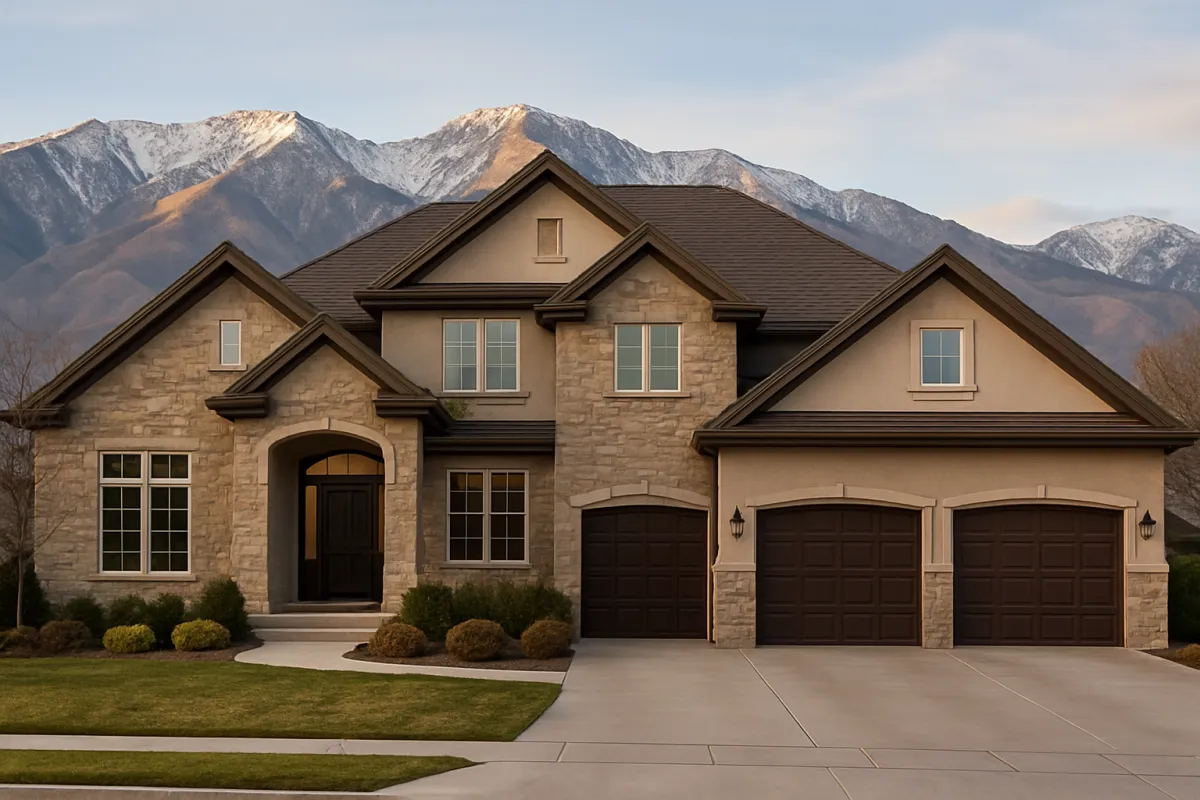
Luxury Home Inspection Checklist for Davis County Buyers
Luxury Home Inspection Checklist for Davis County Utah Buyers
If you're purchasing a luxury home in Davis County, Utah — whether in Farmington, Kaysville, Layton, or Bountiful — a standard home inspection is not enough. A thorough luxury home inspection checklist for Davis County Utah buyers addresses the specialized systems, premium finishes, and structural complexities that exist in upper-tier properties priced between $750,000 and $2 million. This guide walks you through exactly what to inspect, what questions to ask, and how to use inspection findings as a negotiating tool before you close.
Why Is a Luxury Home Inspection Different From a Standard Inspection?
Luxury homes are not simply larger versions of standard homes. They carry unique systems and materials that require specialized knowledge to evaluate properly. A $1.2 million property in Farmington Hills or a custom-built estate in Kaysville may include geothermal HVAC systems, whole-home automation, radiant floor heating, wine cellars, home theaters, resort-style pools, and premium roofing materials like slate or copper. A general home inspector with experience in tract housing may lack the expertise to properly evaluate these systems.
David Supinger, CLHMS, RSPS, CNE — Broker/Owner of HomeClick Real Estate, Wall Street Journal Top 250 agent ranked #189 nationally, and a trusted adviser with 33 years of experience and over 1,300 homes sold — consistently advises his luxury buyers to hire inspectors who specialize in high-end residential properties. "The inspection phase is where serious money gets left on the table," David notes. "Buyers who skip specialty inspections on a million-dollar home are taking on risk they don't have to carry."
What Should Be on Every Luxury Home Inspection Checklist?
A comprehensive luxury inspection checklist should cover far more ground than a standard report. Below are the critical categories every Davis County luxury buyer should address:
Structural and Foundation Systems
Utah's unique soil conditions — including expansive clay soils found in parts of Davis County — can create foundation movement over time. Inspect for cracks in the foundation walls, uneven floors, sticking doors, and signs of differential settling. Custom homes with complex footprints, walk-out basements, and multiple levels demand close attention here. Hire a structural engineer separately from your general inspector if there is any concern.
Roofing and Envelope
Premium roofing materials like slate, tile, and standing-seam metal are common in luxury construction and require inspectors who understand their specific failure modes. Check flashing around chimneys and skylights, drainage patterns, and the condition of gutters and downspouts. In Davis County, snow load is a real consideration — verify that the roof structure was engineered appropriately for Utah winters.
HVAC and Mechanical Systems
Luxury homes frequently run multiple HVAC zones, radiant floor heating, steam humidification, and whole-home air purification. Request service records for all mechanical equipment. Have a licensed HVAC technician — separate from your general inspector — evaluate complex systems. Geothermal and hydronic systems have specific performance benchmarks that need to be tested, not just visually reviewed.
Electrical and Smart Home Infrastructure
Whole-home automation systems, home theaters, dedicated circuits for wine coolers or server rooms, and generator connections all require careful review. Verify that the electrical panel has adequate capacity and that smart home systems — Crestron, Control4, Lutron — are fully operational and current on licensing. Ask for documentation of any system warranties that transfer to the new owner.
Plumbing and Water Systems
Luxury bathrooms with steam showers, soaking tubs, and multiple shower heads create significant demand on water supply lines and drain systems. Inspect for evidence of slow drains, low pressure, or previous leaks under cabinetry. If the property has a private well or irrigation system, those require separate evaluation. In parts of Davis County, water softener systems are common and should be checked for proper function.
Pool, Spa, and Outdoor Systems
Resort-style outdoor spaces are a selling point in the Davis County luxury market. Pools, spas, outdoor kitchens, fire features, and irrigation systems all require individual assessment. Pool inspections should cover the shell, mechanical equipment, chemical systems, safety features, and decking. Have a pool specialist perform this evaluation — most general inspectors will note visible concerns but are not qualified to evaluate pool mechanics in depth.
Interior Finishes and High-End Materials
Inspect hardwood floors for cupping, gapping, or delamination. Check stone countertops and tile for cracks, staining, or improper sealing. Review cabinetry hardware, built-ins, and custom millwork for signs of moisture damage, warping, or poor construction. These repairs can be costly in luxury homes where material matching is difficult and contractor minimums are high.
How Do You Use Inspection Results to Negotiate Effectively?
In the Davis County luxury market, inspection findings are rarely used as a reason to exit a transaction — they are used to negotiate repair credits, price adjustments, or seller concessions. The strategy depends entirely on how the offer was structured and the seller's motivation. According to data published by the National Association of REALTORS®, the majority of residential transactions involve some form of inspection-related negotiation, with higher-priced homes typically seeing larger dollar adjustments.
David Supinger — a Certified Negotiation Expert with decades of experience in upper-tier transactions — recommends that buyers prioritize findings into three categories: safety issues, major mechanical defects, and cosmetic concerns. "Safety and structural items should always be addressed before closing, either through seller repair or a meaningful credit," David explains. "Cosmetic items are negotiating chips, not deal-breakers."
If you're in the early stages of your search, visit our buyer resources page for guidance on the full Davis County purchase process, from offer strategy through closing.
What Inspectors and Specialists Should Davis County Luxury Buyers Hire?
A single general home inspector is a starting point, not a complete solution for luxury properties. Consider assembling the following team:
- Certified General Home Inspector — Look for ASHI or InterNACHI certification and ask specifically about their experience with high-end custom homes.
- Structural Engineer — Essential if there are any foundation concerns, soil movement indicators, or unusual structural configurations.
- Licensed HVAC Technician — Required for complex multi-zone, geothermal, or radiant systems.
- Pool and Spa Specialist — Any property with a pool should have a dedicated pool inspection from a certified pool inspector.
- Roofing Specialist — For premium roofing materials or any evidence of prior water intrusion.
- Chimney Inspector — Davis County homes with fireplaces or outdoor fire features need a CSIA-certified chimney sweep evaluation.
Budget appropriately. Specialty inspections for a luxury home can run $1,500 to $4,000 total depending on the property's complexity. On a $1.5 million purchase, that investment is a fraction of the protection it provides.
What Davis County Market Conditions Should Buyers Understand Before Inspecting?
Market conditions affect how aggressive buyers can be during the inspection phase. In a competitive seller's market, buyers may waive inspection contingencies or limit their requests to avoid losing a property. In a balanced or slower market, buyers have more leverage to negotiate repairs and credits. Reviewing current Zillow market data for Davis County can give you a snapshot of price trends and days-on-market activity that informs your approach.
Current luxury inventory in Davis County — particularly in Farmington, Kaysville, and South Bountiful — tends to be limited, which means properties that are priced well move quickly. Understanding whether you are competing or shopping is critical context for how to handle the inspection phase strategically.
If you are considering selling a luxury property and want to understand how inspection readiness affects list price and buyer confidence, explore our seller resources at VIPLuxuryTeam.com.
Ready to Buy a Luxury Home in Davis County?
David Supinger — CLHMS, RSPS, CNE, Wall Street Journal Top 250 Agent (#189 nationally), Broker/Owner of HomeClick Real Estate — has guided hundreds of luxury buyers through Davis County transactions over 33 years. His team brings the market intelligence, negotiation skill, and professional network to protect your investment at every stage, including inspection. Call David directly at 801-698-2526 to discuss your search or get a referral to qualified luxury home inspectors in Davis County.
Frequently Asked Questions: Luxury Home Inspections in Davis County Utah
How long does a luxury home inspection take in Davis County?
A thorough inspection of a luxury home typically takes four to six hours for the general inspection alone, depending on the size and complexity of the property. Homes over 5,000 square feet with multiple systems, a pool, and smart home technology may take longer. Plan for a full day if you are scheduling multiple specialty inspectors simultaneously.
Can a buyer attend the home inspection?
Yes, and you should. Attending the inspection allows you to ask questions in real time, understand the condition of the home firsthand, and prioritize findings with your inspector before the written report is issued. Your agent can also attend and help you frame findings in the context of local market norms and negotiation strategy.
What are the most common issues found in Davis County luxury homes?
Common findings in Davis County luxury properties include foundation movement related to expansive soils, deferred maintenance on premium roofing materials, aging HVAC systems in homes over 15 years old, and incomplete or unlicensed smart home system installations. Pools and spa equipment are also a frequent source of repair requests, particularly on properties that have had multiple owners.
Should buyers waive inspection contingencies in a competitive market?
Waiving an inspection contingency is a significant risk and should only be considered in extreme market conditions after a careful review of the property's age, condition, and disclosure history. Even in competitive situations, experienced agents can sometimes negotiate a pre-offer inspection or a short inspection period rather than a full waiver. Consult with your agent before making this decision.
How much should a luxury home inspection cost in Utah?
General inspection fees for luxury homes in Utah typically range from $500 to $900 depending on square footage. Specialty inspections — pool, structural, HVAC, roof, chimney — each add additional cost. Buyers should budget $1,500 to $4,000 for a complete inspection package on a property priced above $750,000. This cost is negotiable and sometimes structured as a seller credit at closing.
About David Supinger
David Supinger is a Certified Luxury Home Marketing Specialist (CLHMS), Resort and Second Home Property Specialist (RSPS), and Certified Negotiation Expert (CNE). Wall Street Journal Top 250 agent. Broker/Owner HomeClick Real Estate, 33+ years, 1,300+ homes sold. 801-698-2526 | vipluxuryteam.com