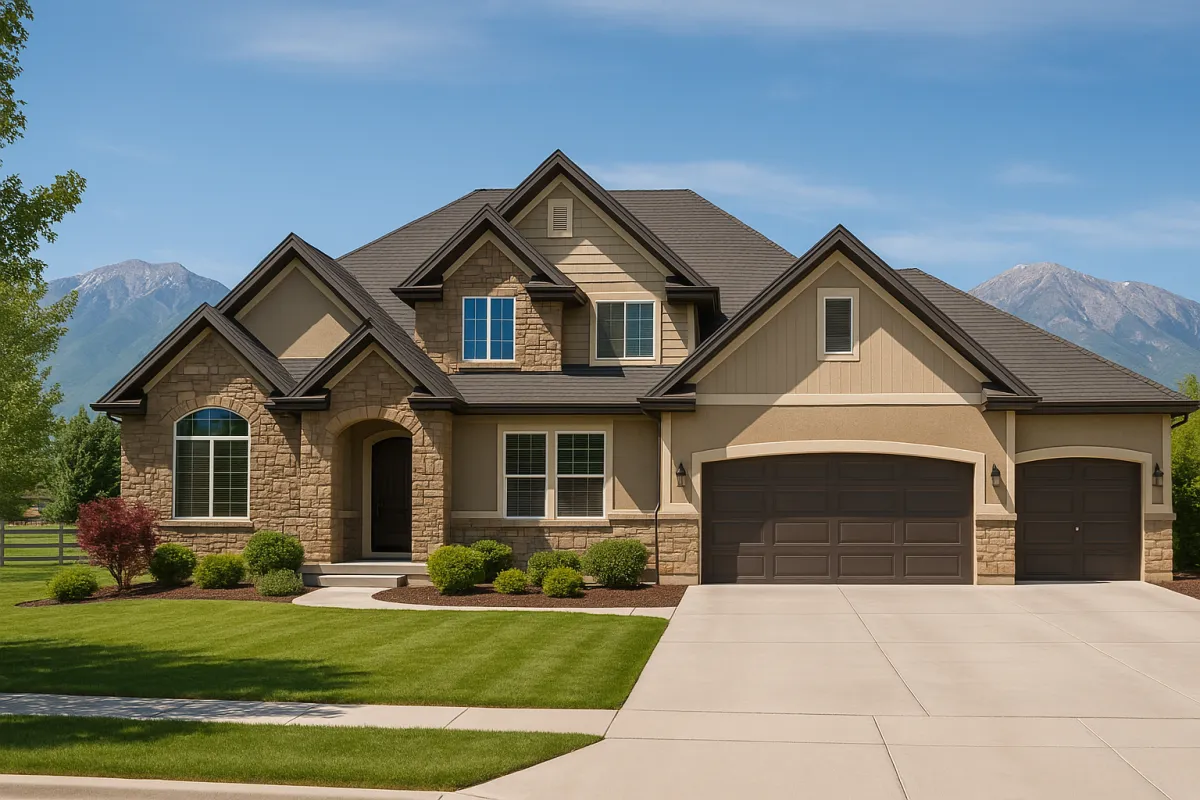
Horse Property for Sale in Kaysville Utah — Complete Buyer Guide
Horse Property for Sale in Kaysville Utah — Complete Buyer Guide
If you're searching for horse property in Kaysville Utah for sale, you're looking at one of the most competitive and rewarding niches in Davis County real estate. This guide answers the most important questions buyers ask before purchasing equestrian land or acreage in Kaysville — from zoning and water rights to what to look for in a listing and how to negotiate effectively in a tight inventory market. Whether you're relocating to Utah or upgrading from a smaller lot, the information below will help you move forward with confidence.
What Makes Kaysville Utah a Strong Market for Horse Properties?
Kaysville sits in the northern half of Davis County, nestled between the Wasatch Front and the wetlands of the Great Salt Lake. The community has deep agricultural roots, and horse ownership is embedded in the local culture. Unlike much of the Salt Lake metro, Kaysville still has established neighborhoods where one-acre-plus parcels are zoned for large animals, and where mature infrastructure — corrals, pastures, irrigation shares — already exists on a meaningful percentage of listings.
According to data tracked through Zillow market data, equestrian and acreage properties in northern Utah have maintained strong appreciation even during periods when the broader market softened. Demand consistently outpaces supply in this subcategory, which means buyers who are not prepared — financially, informationally, and with strong representation — tend to lose out.
David Supinger, MDM, CNE, CLHMS, and Wall Street Journal Top 250 agent ranked #189 nationally, has been working in Davis County real estate for over 33 years. He has closed more than 1,300 homes, including a significant portion of the equestrian and acreage segment in Kaysville, Farmington, and Layton. His perspective: "Horse properties don't sell like a standard subdivision home. You need to know how to evaluate the land, the water, the zoning, and the outbuildings — and then negotiate all of it correctly."
What Zoning and Land Use Rules Apply to Horse Properties in Kaysville?
Kaysville City zoning designates several residential agricultural zones — commonly labeled A-1 or RA — that permit large animal ownership. The number of horses allowed per parcel is typically tied to lot size. As a general rule, most zones allow one horse per half acre of usable land, but setback requirements, neighbor proximity, and parcel configuration all factor in.
Before making an offer on any horse property in Kaysville, confirm the following directly with Kaysville City Planning:
- Current zoning designation and permitted animal density
- Whether the property has existing nonconforming structures that may not be rebuildable
- Any pending annexation or rezone applications in the area
- Restrictions tied to irrigation or secondary water use
Davis County also has its own ordinances that may apply to properties in unincorporated areas near Kaysville. If a listing is in Kaysville City limits versus Davis County jurisdiction, the rules differ. This distinction matters more than most buyers realize until after they've made an offer.
What Should Buyers Look for in a Kaysville Horse Property Listing?
Not all horse properties are created equal. A listing marketed as "horse property" may have a single corral and no water rights, while another may include a four-stall barn, hay storage, a riding arena, and pressurized irrigation shares. Here is what experienced buyers evaluate:
- Water rights and secondary water: Irrigation shares through the local water company or canal company are essential for maintaining pasture. Confirm what shares transfer with the property and whether they are pressurized or gravity-fed.
- Barn and shelter condition: Have a qualified inspector evaluate framing, roofing, electrical, and ventilation. Many older barns were built without permits and may have deferred maintenance issues that are not visible in listing photos.
- Pasture acreage and soil quality: Usable pasture is different from total lot size. Rocky ground, steep grades, or drainage issues reduce the effective acreage for grazing or turnout.
- Arena footing and drainage: If an arena is present, assess the footing material and drainage. Poorly drained arenas are expensive to rehabilitate.
- Fencing type and condition: Wood, pipe, electric, and no-climb wire all have different maintenance profiles. Factor replacement costs into your offer.
David Supinger, Broker/Owner of HomeClick Real Estate, recommends that buyers request a seller's disclosure specifically addressing water rights, any known issues with outbuildings, and the history of agricultural use. "Most sellers are forthcoming, but you have to ask the right questions," he says. "A standard residential disclosure doesn't always capture the full picture on an equestrian property."
How Is the Horse Property Market Priced in Kaysville Right Now?
Horse property pricing in Kaysville varies significantly based on lot size, outbuilding quality, water rights, and home condition. Entry-level equestrian parcels — typically one to two acres with basic horse facilities — generally start in the mid-$700,000s. Properties with larger acreage, newer construction, or high-end arena and barn setups can exceed $1.5 million or more.
The National Association of REALTORS® consistently reports that rural and agricultural residential properties in proximity to growing metro areas like Salt Lake City experience above-average appreciation over time. Kaysville's location — close enough to the metro for commuters, but far enough to maintain a rural character — positions it well for continued demand.
Inventory in this category is genuinely limited. There are rarely more than a handful of true horse properties actively listed in Kaysville at any given time. That scarcity means buyers need to be pre-approved and ready to move, and sellers — when they do list — often receive multiple offers if the property is priced and presented correctly.
How Do You Negotiate an Equestrian Property Purchase Effectively?
Negotiating horse property requires a different framework than a standard home purchase. The personal property component — water shares, equipment, livestock infrastructure — can be negotiated as part of the transaction or separately, and how that is structured affects your financing, taxes, and long-term value.
David Supinger's CNE (Certified Negotiation Expert) designation reflects years of specialized training in this area. As a Wall Street Journal Top 250 agent ranked #189 nationally with 33+ years in the Davis County market, he has developed a negotiation approach that accounts for the full complexity of rural property transactions — including contingencies tied to water rights verification, agricultural exemption status, and outbuilding inspections.
Key negotiation considerations for horse property buyers in Kaysville:
- Request an extended inspection period — 14 to 21 days — to allow time for a full agricultural property inspection
- Include a contingency tied to confirmation of water right transfers
- Negotiate the disposition of any existing personal property (panels, feeders, equipment) in writing, not verbally
- Understand the seller's motivation — flexibility on closing date is often more valuable to rural sellers than price adjustments
Are You Ready to Buy or Do You Need to Sell First?
Many buyers in this market are moving from a suburban home into an equestrian property, which means they need to coordinate a sale and purchase simultaneously. If that describes your situation, visit our home selling guide to understand what preparing a Davis County home for sale looks like in the current market. If you're ready to move into the buying process, our home buyer resources walk through pre-approval, offer strategy, and closing in Utah.
The best outcomes in this market come from working with someone who knows both sides of the transaction and understands equestrian property specifically. To speak directly with David Supinger about horse properties currently available in Kaysville, call 801-698-2526.
Frequently Asked Questions: Horse Property in Kaysville Utah
How many horses can I keep on a one-acre lot in Kaysville?
Kaysville City's agricultural residential zones typically allow one horse per half acre of usable land, meaning a one-acre parcel may permit up to two horses. However, setbacks, lot configuration, and specific zone designations can affect this. Always verify with Kaysville City Planning before purchasing.
Do water rights transfer automatically with a horse property purchase in Utah?
Not automatically. Water rights in Utah are separate property interests that must be explicitly transferred as part of the purchase contract. Irrigation shares held through a local water company or canal company require a formal transfer process. Your contract should include a contingency confirming that transfer is completed before closing.
What is the average price for horse property in Kaysville Utah?
Prices vary widely based on acreage, outbuilding quality, and home condition. Entry-level equestrian properties in Kaysville typically start in the mid-$700,000s, with premium properties featuring arenas, multi-stall barns, and larger pastures often exceeding $1.2 to $1.5 million. Inventory is limited, which supports pricing.
Do I need a special inspector for an equestrian property?
A standard home inspector will evaluate the residential structure, but you should also engage someone with specific experience in agricultural outbuildings, well and septic systems if applicable, and irrigation infrastructure. Some buyers also bring in an equine facility consultant to assess arena footing, drainage, and barn suitability.
How long does it typically take to find and close on a horse property in Kaysville?
Given limited inventory, buyers should expect a search period of one to six months depending on their specific requirements. Once under contract, horse property closings typically take 30 to 45 days, though buyers should request a longer inspection period — 14 to 21 days — to properly evaluate the land, water rights, and outbuildings before removing contingencies.
About David Supinger
David Supinger is a Certified Luxury Home Marketing Specialist (CLHMS), Resort and Second Home Property Specialist (RSPS), and Certified Negotiation Expert (CNE). Wall Street Journal Top 250 agent. Broker/Owner HomeClick Real Estate, 33+ years, 1,300+ homes sold. 801-698-2526 | vipluxuryteam.com