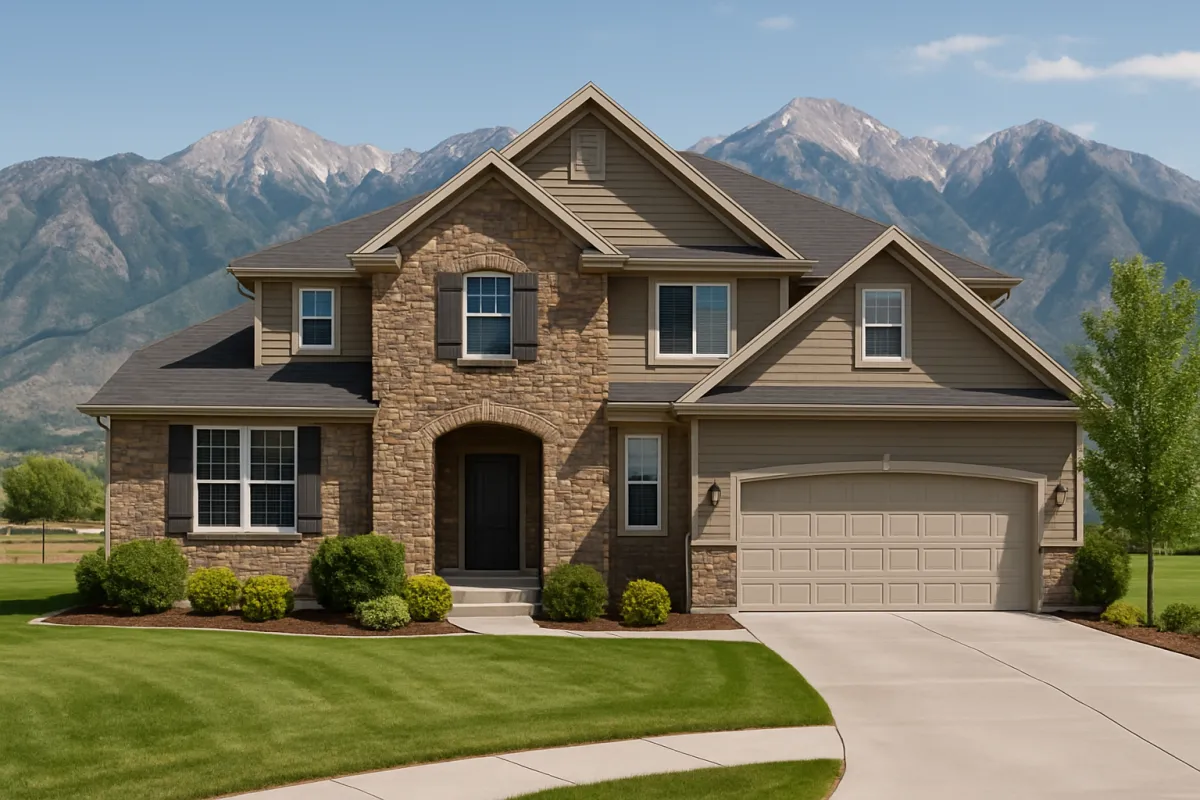
Horse Property for Sale in Kaysville Utah — Complete Buyer Guide
Horse Property for Sale in Kaysville Utah — Complete Buyer Guide
If you're searching for horse property in Kaysville, Utah for sale, this guide covers everything you need to know — from zoning and lot size requirements to what current inventory looks like and how to avoid costly mistakes. Kaysville sits in the heart of Davis County, where agricultural traditions run deep and equestrian properties remain some of the most sought-after real estate in the Salt Lake metro corridor. Whether you're relocating from out of state or upgrading within the Wasatch Front, this guide will help you buy smart.
Why Do Buyers Choose Kaysville for Horse Property?
Kaysville offers a rare combination: proximity to Salt Lake City and Ogden, strong Davis County schools, and genuine agricultural zoning that supports horses, livestock, and working farms. The city sits at roughly 4,400 feet elevation with views of the Wasatch Mountains and easy access to Weber County trail systems. Properties here tend to feature mature trees, irrigation water rights, and larger lot sizes that are increasingly difficult to find anywhere else in the metro area.
Equestrian buyers are drawn to Kaysville specifically because the community has actively preserved its agricultural character. You'll find working properties alongside custom homes, and city planning has generally supported that balance rather than fought it. For buyers who want acreage without sacrificing urban convenience, Kaysville consistently ranks near the top of the list in Davis County.
What Zoning and Lot Size Do You Need for Horses in Kaysville?
In Kaysville, horses are typically permitted on properties zoned A-1 (Agricultural) or in residential zones with sufficient acreage, generally one acre or more depending on the number of animals. The standard guideline used by most Utah municipalities — and consistent with Davis County guidance — is one horse per acre, though some parcels support higher density with appropriate pasture management.
Before you make an offer on any horse property, verify the following with Kaysville City directly:
- Current zoning designation and permitted uses
- Minimum lot size for the number of horses you intend to keep
- Setback requirements for barns, arenas, and outbuildings
- Whether irrigation water rights transfer with the property
- Any HOA restrictions that may conflict with equestrian use
David Supinger, MDM, CNE, CLHMS and Broker/Owner of HomeClick Real Estate, has been navigating these exact details for buyers across Davis County for more than 33 years. With over 1,300 homes sold and recognition as a Wall Street Journal Top 250 agent — ranked #189 nationally — he knows which properties have clear zoning histories and which ones carry hidden complications.
What Should You Look for When Touring a Horse Property?
Horse properties require a different inspection lens than standard residential real estate. Here's what experienced equestrian buyers evaluate on every showing:
- Barn condition: Roof integrity, ventilation, stall size and footing, electrical systems, and water access
- Pasture quality: Grass type, soil compaction, drainage patterns, and fencing condition
- Arena: Size, footing material, drainage, and lighting if you ride in the evenings
- Water rights: Confirm shares, delivery schedule, and priority date — this is critical in Utah
- Utility infrastructure: Well vs. municipal water, septic capacity, and power to outbuildings
- Access and trailer parking: Can you maneuver a four-horse trailer comfortably?
According to data published by the National Association of REALTORS®, rural and agricultural properties take longer to appraise and often require specialized lenders familiar with farm loans and water rights. Working with an agent who understands that process before you go under contract saves time and prevents failed closings.
What Is the Current Market Like for Horse Property in Kaysville?
Equestrian properties in Kaysville and surrounding Davis County communities have remained competitive because supply is genuinely limited. Acreage parcels don't get subdivided back — once agricultural land converts, it's typically gone. That dynamic keeps demand relatively strong even when the broader residential market softens.
Pricing varies considerably based on improvements. A raw three-acre parcel with water rights will be priced very differently from a turnkey equestrian estate with a custom barn, covered arena, and finished home. Zillow market data can give you a general sense of active listings, but it consistently underrepresents the nuances of agricultural parcels — water rights value, outbuilding replacement cost, and zoning premium don't translate well into automated valuations.
For an accurate picture of what comparable properties have actually sold for in the last six to twelve months, you need access to MLS data and someone who has transacted in this specific niche. If you're in the early research phase, the buying a home resource page at VIP Luxury Team is a practical starting point.
How Do You Finance a Horse Property Purchase in Utah?
Financing agricultural and equestrian properties requires more planning than a standard home purchase. Conventional loans through Fannie Mae and Freddie Mac can be used in many cases, but lenders scrutinize the property's primary use. If the agricultural income is incidental and the home is owner-occupied, you may qualify for conventional financing. If the property is classified as a working farm, you'll likely be directed toward USDA Farm Service Agency loans or agricultural lenders.
Key financing considerations for horse property buyers include:
- Appraisers must be qualified to value agricultural improvements — not every local appraiser has that designation
- Water rights are typically valued separately and must be addressed in the loan package
- Down payment requirements may be higher for properties with significant agricultural components
- Title insurance for equestrian properties should include agricultural endorsements
David Supinger's credentials as a Certified Negotiation Expert (CNE) and CLHMS become particularly relevant here — structuring offers on complex properties requires experience that goes well beyond standard purchase contracts. His team works regularly with lenders who specialize in Davis County agricultural transactions.
What Are Common Mistakes Buyers Make on Horse Properties?
After more than three decades and 1,300-plus transactions, David Supinger has seen the same mistakes repeat across buyers at every price point. The most costly ones:
- Skipping a water rights attorney: Assuming water rights transfer automatically — they don't always, and the consequences are significant
- Using a generalist inspector: Standard home inspectors aren't trained to evaluate barns, arenas, or agricultural infrastructure
- Ignoring soil and drainage reports: Poor drainage in a horse pasture creates health hazards for animals and expensive remediation costs
- Overlooking easements: Many agricultural parcels carry access easements or utility easements that affect how you can use the land
- Underestimating operating costs: Hay storage, manure management, irrigation maintenance, and facility upkeep add up quickly
If you're considering listing an equestrian property rather than purchasing one, the selling your home guide at VIP Luxury Team covers how to position agricultural properties for maximum value in the current market.
How Do You Find the Right Agent for a Horse Property Transaction?
Not every real estate agent is qualified to handle equestrian and agricultural property. You want someone with direct experience in rural transactions, an understanding of water law basics, and relationships with the inspectors, appraisers, and lenders who work in this niche. Credentials matter, but so does transaction history.
David Supinger — MDM, CNE, CLHMS, Wall Street Journal Top 250 agent (#189 nationally) and Broker/Owner of HomeClick Real Estate — has been the go-to resource for equestrian buyers and sellers across Davis County for over 33 years. To discuss a specific property or get a current market analysis, call 801-698-2526 directly.
Frequently Asked Questions: Horse Property in Kaysville Utah
How many acres do you need for a horse in Kaysville, Utah?
Generally, Kaysville allows one horse per acre of usable pasture land. Most equestrian buyers look for a minimum of two to three acres to comfortably house two horses with proper rotation and manure management. Always verify current city zoning requirements before purchase, as regulations can change and vary by zone designation.
Do water rights transfer automatically when you buy horse property in Utah?
Not always. In Utah, water rights are separate legal interests from the land itself. Some are appurtenant to the property and transfer with the deed; others are held in the owner's name and must be explicitly conveyed. Always have a water rights attorney review any agricultural purchase before closing.
What is the price range for horse property in Kaysville, Utah?
Pricing varies significantly based on acreage, water rights, barn and arena improvements, and home finish level. Entry-level equestrian parcels in the Kaysville area can start around $700,000 to $900,000 for modest improvements on two to three acres, while turnkey equestrian estates with covered arenas and custom homes can exceed $2 million. Current inventory shifts frequently — contact David Supinger at 801-698-2526 for an accurate current picture.
Can you build a barn or arena on residential property in Kaysville?
In agriculturally zoned areas of Kaysville, barns and arenas are generally permitted with proper setbacks and building permits. In standard residential zones, outbuilding size and use may be more restricted. Always check current Kaysville City zoning code and confirm with the planning department before purchasing a property where you intend to build equestrian facilities.
How long does it typically take to close on a horse property in Utah?
Equestrian and agricultural transactions typically take longer than standard residential closings — expect 45 to 60 days rather than 30, primarily due to specialized appraisals, water rights verification, and agricultural loan processing. Working with an experienced agent and a lender familiar with rural Utah properties helps keep the timeline manageable.
About David Supinger
David Supinger is a Certified Luxury Home Marketing Specialist (CLHMS), Resort and Second Home Property Specialist (RSPS), and Certified Negotiation Expert (CNE). Wall Street Journal Top 250 agent. Broker/Owner HomeClick Real Estate, 33+ years, 1,300+ homes sold. 801-698-2526 | vipluxuryteam.com