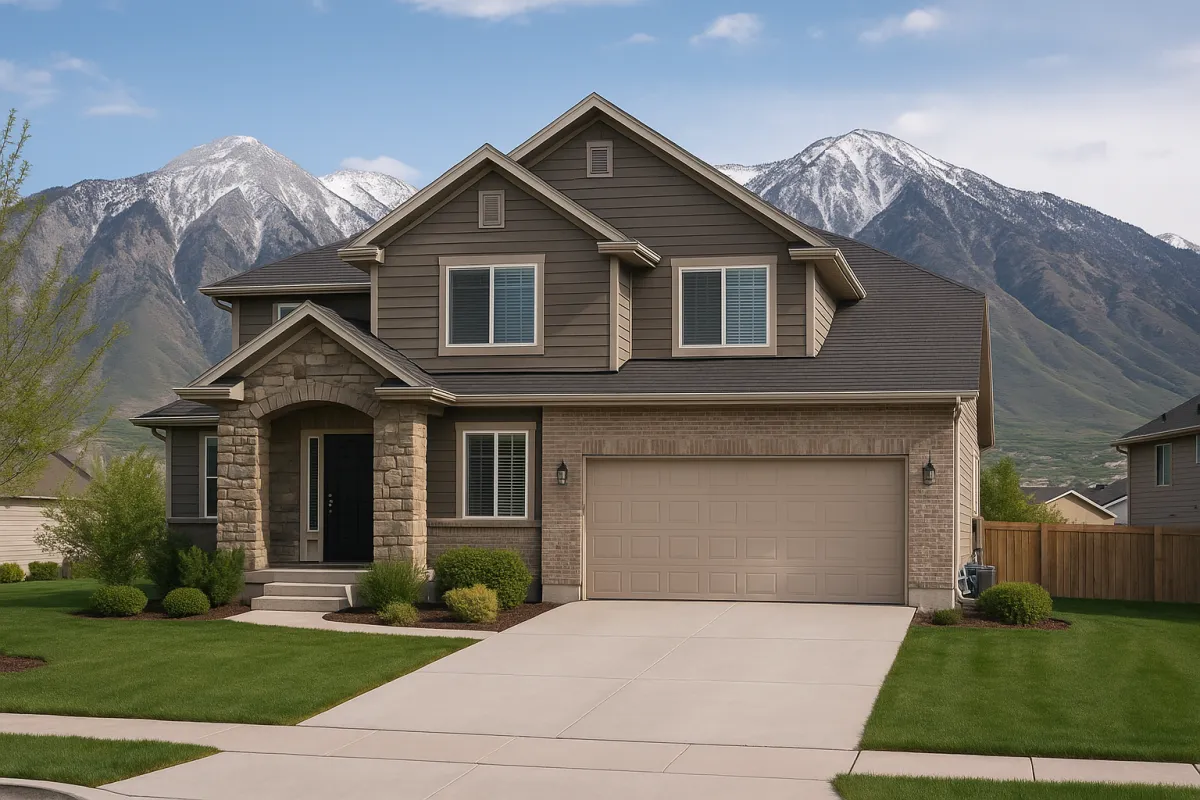
Divorce and Real Estate in Utah: Tax Implications of Selling Your Home
Divorce and Real Estate in Utah: Tax Implications of Selling Your Home
When a marriage ends, the family home is often the most valuable — and most emotionally complicated — asset on the table. If you're navigating a divorce in Davis County or the Salt Lake metro and wondering what happens when you sell, the short answer is this: the tax implications of selling your home during or after a divorce in Utah depend heavily on timing, how title is held, how long you lived there, and how the proceeds are divided. This post walks you through the key federal and state tax rules that apply, what courts expect, and why working with an experienced professional matters more than most people realize.
What Is the Capital Gains Exclusion and Does It Apply During Divorce?
Under IRS Section 121, married couples filing jointly can exclude up to $500,000 in capital gains from the sale of a primary residence. Single filers get a $250,000 exclusion. To qualify, the home must have been your primary residence for at least two of the last five years before the sale date.
During a divorce, timing becomes critical. If you sell the home while you are still legally married, you may still qualify for the full $500,000 exclusion — even if only one spouse has been living in the home, as long as both spouses meet the use and ownership tests. Once the divorce is finalized and the home is sold, each former spouse is typically limited to the $250,000 single-filer exclusion.
This distinction alone can mean a six-figure difference in tax liability, and it's one of the reasons David Supinger, CNE, CLHMS and Broker/Owner of HomeClick Real Estate, consistently advises divorcing clients to consult both a CPA and a licensed Utah attorney before setting a closing date. With over 33 years of experience and more than 1,300 homes sold across Davis County and Salt Lake, David has seen couples lose significant money by acting on assumptions rather than verified tax guidance.
What Happens to the Home If One Spouse Keeps It After the Divorce?
A common arrangement in Utah divorce settlements is for one spouse to buy out the other and keep the home — often to provide stability for children. While this may seem straightforward, there are tax considerations that frequently get overlooked.
When one spouse is awarded the home through a divorce decree, the transfer itself is generally not a taxable event under IRS Section 1041, which governs property transfers between spouses or incident to divorce. However, the spouse who receives the home also inherits the original cost basis. If the home has appreciated significantly — which is common in communities like Farmington, Kaysville, and Bountiful given rising Zillow market data showing sustained home value growth across the Wasatch Front — the receiving spouse may face a large capital gains liability if they sell years later.
The spouse retaining the home also needs to be aware of the two-of-five-year residency rule. If they eventually sell, they must have lived in the home as their primary residence for at least two years out of the five years preceding the sale to claim the exclusion. A temporary relocation or rental period during the divorce can disrupt that clock in ways people don't anticipate.
How Does Utah Courts Handle the Division of Home Sale Proceeds?
Utah is an equitable distribution state, which means marital property — including the family home — is divided fairly, though not necessarily 50/50. The Utah State Courts system gives judges broad discretion in determining what constitutes a fair division based on factors like the length of the marriage, each spouse's financial situation, and contributions made to the property.
What many people don't realize is that the court-ordered division of proceeds doesn't automatically determine your tax obligation. Even if a divorce decree says each party receives 50% of the net sale proceeds, the IRS calculates gain based on the original purchase price and cost basis — not what the court ordered. Improvements, depreciation claimed during any rental period, and selling costs all factor into the adjusted basis calculation.
Working with a real estate professional who understands the intersection of these legal and financial variables is essential. The National Association of REALTORS® regularly reports that divorce is among the top reasons for non-distressed home sales nationwide, yet many sellers enter the transaction without understanding their full tax exposure.
What If the Home Is Underwater or You Need a Short Sale?
Not every divorce involves equity. In some situations — particularly if the couple purchased at a market peak or took out significant equity — the home may be worth less than what's owed. In that case, a short sale may be the most realistic path forward.
Short sales during divorce require coordination with the lender, the court, and ideally both legal teams. Forgiven mortgage debt can create a taxable event under certain circumstances, though exclusions may apply depending on the loan type and the property's use as a primary residence. David Supinger's background includes training through the Certified Short Sale Expert program, which equips him to navigate lender negotiations and timeline management during high-pressure divorce situations where a standard listing simply isn't an option.
If you're concerned that your home may not cover the remaining mortgage balance, it's important to act early. Delays in short sale situations can result in foreclosure, which carries its own serious credit and tax consequences.
When Should You Sell — Before or After the Divorce Is Final?
This is one of the most common questions David Supinger receives from clients going through a divorce in Davis County and Salt Lake. The honest answer is: it depends, and anyone who tells you otherwise without knowing your specific financial picture isn't giving you sound advice.
Selling before the divorce is finalized may preserve the $500,000 joint exclusion, simplify title transfer logistics, and reduce the number of post-decree complications. However, it requires both spouses to cooperate on listing decisions, pricing, showings, and offers — which can be difficult when the relationship is strained.
Selling after the divorce is final gives each party more autonomy, but typically reduces the exclusion threshold and may complicate financing if one spouse's credit has been affected during proceedings. Certain court orders may also restrict when or whether a sale can occur, so reviewing the divorce decree carefully is non-negotiable before you list.
Whether you're ready to list now or just starting to plan, the selling process starts with understanding your options. A confidential conversation with David costs nothing and could save you significant money and stress down the line.
How Can a Real Estate Professional Help During a Divorce Home Sale?
Divorce real estate isn't the same as a standard listing. There are often two principals with differing priorities, attorneys coordinating on timeline, judges setting deadlines, and emotional volatility that can derail negotiations at the last moment. David Supinger — ranked #189 nationally among Wall Street Journal's Top 250 agents — brings a calm, structured approach to situations that other agents find difficult to navigate.
His Certified Negotiation Expert (CNE) credential is particularly valuable in divorce transactions, where the negotiation isn't just with buyers — it's often between the divorcing parties themselves over list price, repairs, and offer acceptance. His 33+ years of experience in Davis County markets like Layton, Kaysville, and Farmington means he understands local pricing dynamics that directly affect how quickly and profitably a home sells.
If you're ready to take the next step or simply want a confidential consultation, call David directly at 801-698-2526. You can also explore what the buying process looks like if your next step is transitioning into a new home of your own.
Frequently Asked Questions: Divorce Real Estate Utah Tax Implications Home Sale
Can I still claim the $500,000 capital gains exclusion if I'm in the middle of a divorce?
Yes, in many cases. If you sell the home while still legally married and both spouses meet the ownership and use requirements, you may qualify for the full $500,000 married filing jointly exclusion under IRS Section 121. Once the divorce is finalized, each former spouse is generally limited to the $250,000 single-filer exclusion. Consult a tax professional to confirm your eligibility before choosing a closing date.
Is a home transfer between divorcing spouses taxable in Utah?
The transfer itself is generally not a taxable event under IRS Section 1041, which covers property transfers between spouses or incident to divorce. However, the receiving spouse inherits the original cost basis, which can create a significant capital gains liability if the home is sold later at a higher value. Utah does not have its own separate capital gains tax; gains are taxed as ordinary income at a flat 4.55% state rate.
What happens if my ex-spouse won't agree to sell the home?
If both spouses are on the title and one refuses to sell, the matter may need to be resolved through the divorce court. A judge can order a partition and sale of the property. The Utah State Courts system has jurisdiction over marital property disputes as part of divorce proceedings. An attorney can file a motion to compel the sale as part of the final decree.
How is the cost basis of a home calculated for capital gains purposes during divorce?
The cost basis is generally the original purchase price plus the cost of any capital improvements made during ownership, minus any depreciation previously claimed (if the home was ever used as a rental). Selling costs, including agent commissions and closing fees, can also reduce your net gain. Accurate records of improvements are essential and can meaningfully reduce your tax liability at closing.
Should I work with a real estate agent who has divorce-specific experience?
Strongly yes. Divorce transactions involve unique logistical, legal, and emotional variables that a standard real estate agent may not be equipped to handle. An experienced agent like David Supinger, CNE, CLHMS — with 33+ years and 1,300+ homes sold in Davis County and Salt Lake — understands how to coordinate with attorneys, manage both parties professionally, and protect your financial interests throughout the process. Reach him at 801-698-2526.
Disclaimer: The information provided in this article is intended for general informational purposes only and is not to be construed as legal advice. Real estate transactions involving divorce can have significant legal implications. Please consult a licensed Utah attorney for legal guidance specific to your situation.
About David Supinger
David Supinger is a Certified Negotiation Expert (CNE) and CLHMS specializing in discreet divorce real estate in Davis County and Salt Lake. Broker/Owner HomeClick Real Estate, 33+ years. 801-698-2526 | vipluxuryteam.com